
The Role of Brand Mascots as Distinctive Brand Assets

Many brands tell their brand story through a brand mascot. This could be a person, animal or fictional character used as a distinctive brand asset in a brand’s logo, marketing, or on packaging. Brand mascots are valuable brand assets as they can be used to relate to and connect with the audience on an emotional level - something we believe makes brands memorable and therefore more successful. Here are some of the ways in which brands utilise brand mascots.
The Founder
The most obvious way a brand mascot tells the story of a brand is through the representation of the founder. For example, KFC show an image of their famous founder, Colonel Sanders, in their brand icon to symbolise the brand’s commitment to tradition and quality. The Colonel himself was initially involved in advertising and was the brand ambassador for years after he sold the company ensuring that his iconic look of goatee, white suit and western string tie was synonymous with the brand in people’s minds long after his death.

The Brand Story
Thanks to its marketing campaigns, when we think of BirdsEye Fish Fingers, we imagine Captain Birdseye catching the fish, but the founder Clarence Birdseye was more scientist than fisherman. A naturalist, Birdseye was inspired by the fast freezing techniques of the indigenous Inuit people of Labrador, Canada on a hunting trip. The heroic ambassador we see on pack is a fictional embodiment of the brand story - representing the brands values of fresh fish, pioneering knowledge and quality. The character’s role in this case is to tell the story of the brand and its product, rather than the literal story of the founder. The Captain is such a strong asset that when BirdsEye originally brought him back to the packs in 2017, the company saw a media ROI increase of 24%.*

The company has since refreshed the design again with 1HQ making the Captain approachable and younger in order to appeal to the next generation.

The Metaphor
Brands can also use metaphors as mascots. Brands such as Andrex or Cushelle use mascots referencing cuddly, soft animals in an attempt to transfer their qualities of cuddly and soft onto their tissue brands. Similarly, the Energizer bunny references the unmatched energy stored in their batteries. Brand mascots can be used to connect the audience to a quality of the brand in an emotional way, whilst enabling plenty of advertising opportunity for what might be an otherwise boring product.

The Fabrication
Not all brand stories are derived from fact. Many mascots are the fabrication of advertising or branding agencies. For example, Mr Kipling is an invention of Rank Hovis McDougall in the 1960s, as a way to boost cake sales and make use of a new bakery. In advertising, the voice of actor James Hayter enabled the “exceedingly good cakes” to become the market leader, without any evidence in there being a real Mr Kipling in existence.
When the brand was refreshed in 2015, Brand Opus elevated the influence of the human behind the brand by introducing a signature style logo, crafted by Alison Carmichael breathing further life into the fictitious baker.
“Establishing [Mr Kipling’s] signature as the brand identity suggests that he has personally signed off each pack, and with it, reassures that every cake meets his exacting standards.” Paul Taylor, Executive Creative Director of Brand Opus interviewed in 2015 by Design Week

This same principle is used by Hellmann’s mayonnaise incorporating the signature of Richard Hellmann as a brand asset, which features low in the hierarchy on pack. The fact that he is real and Mr Kipling is not doesn’t make a huge difference when both brands succeed in using the presence of a person behind the brand to appeal to consumers and communicate values of quality and heritage.
The Reconsidered
Not all brand mascots stand the test of time. Uncle Ben’s rebranded to Ben’s Original and removed their mascot in 2020.

The brand’s use of the word Uncle in their brand name, a term historically used in southern US states to refer to black people rather than the formal “Mister” or “Miss”, was thought to be perpetuating harmful imagery of servitude. Their name change coincided with changes at a company level to become more equitable and inclusive.
“The brand is not just changing it’s name on the package, it is also taking action to enhance inclusion and equity and setting out its new brand purpose to create opportunities that offer everyone a seat at the table.” Mars quoted by BBC, Uncle Ben’s rice changes name to more to more ‘equitable’ brand, 23 September 2020
The Prohibited
Characters used in branding to appeal to children is undeniably successful. Think of all the brands that influenced you as a child and all the foods you would pester your parents to buy because of them. Tony Tiger, Coco the Monkey, even Ronald McDonald and the Hamburglar and co.
The success of mascots in appealing to children has been something that governments have kept an eye on in relation to its influence on rising rates of childhood obesity, especially in products which have a high fat, sugar and salt content. Despite talk on the subject, they have yet to pass any legislation for its prohibition.
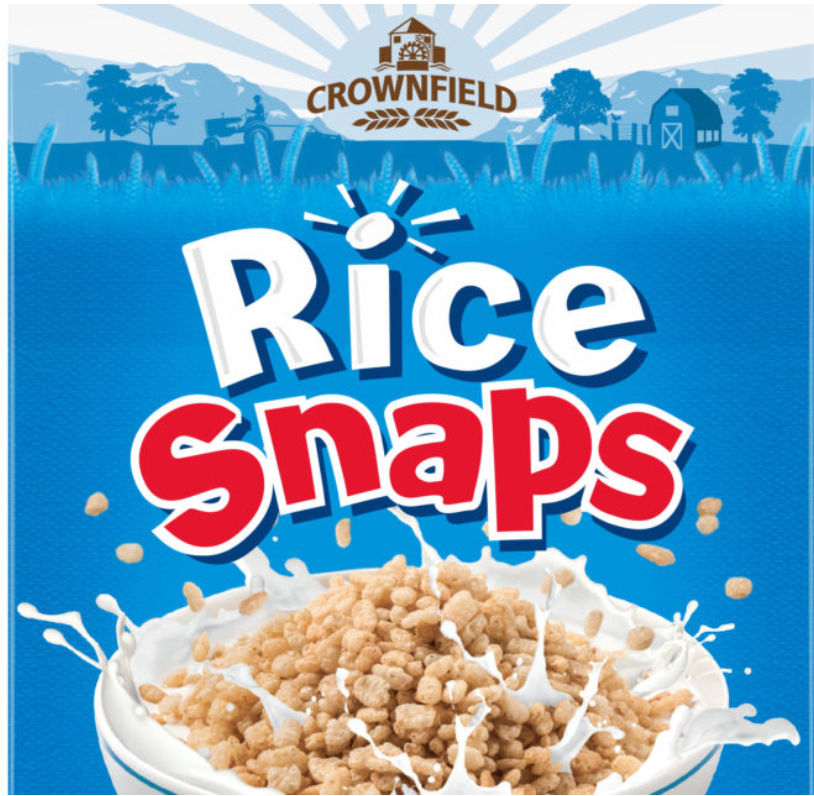
Lidl is one brand that have removed their mascot from their Rice Snaps aiming to reduce their marketing influence over children in foods with high sugar. This is reflective of the Advertising Standards Agency’s rules, which prohibit the use of mascots or celebrities of specific appeal to children in advertising for HFSS (High in Fat Sugar and Salt) products.

Brand Mascots Ensure Emotional Appeal
To conclude, brand mascots can be a really successful way of communicating a brand story. Whether the mascot represents a founder, fictional or real, the brand story or they symbolise something about the company or product in a metaphorical way, they can be an immediate visual reference that consumers understand, resonate with and remember.
But when designing brand mascots, be sure to consider their appeal and their potential for longevity. Brand mascots must be carefully considered to ensure they represent current brand values and they should be updated accordingly if not. It is also unwise to create new brand mascots for brands involving HFSS foods marketed to young children due to advertising regulations and the potential of future bans in this category.


Comments